What Is Bovine Colostrum?
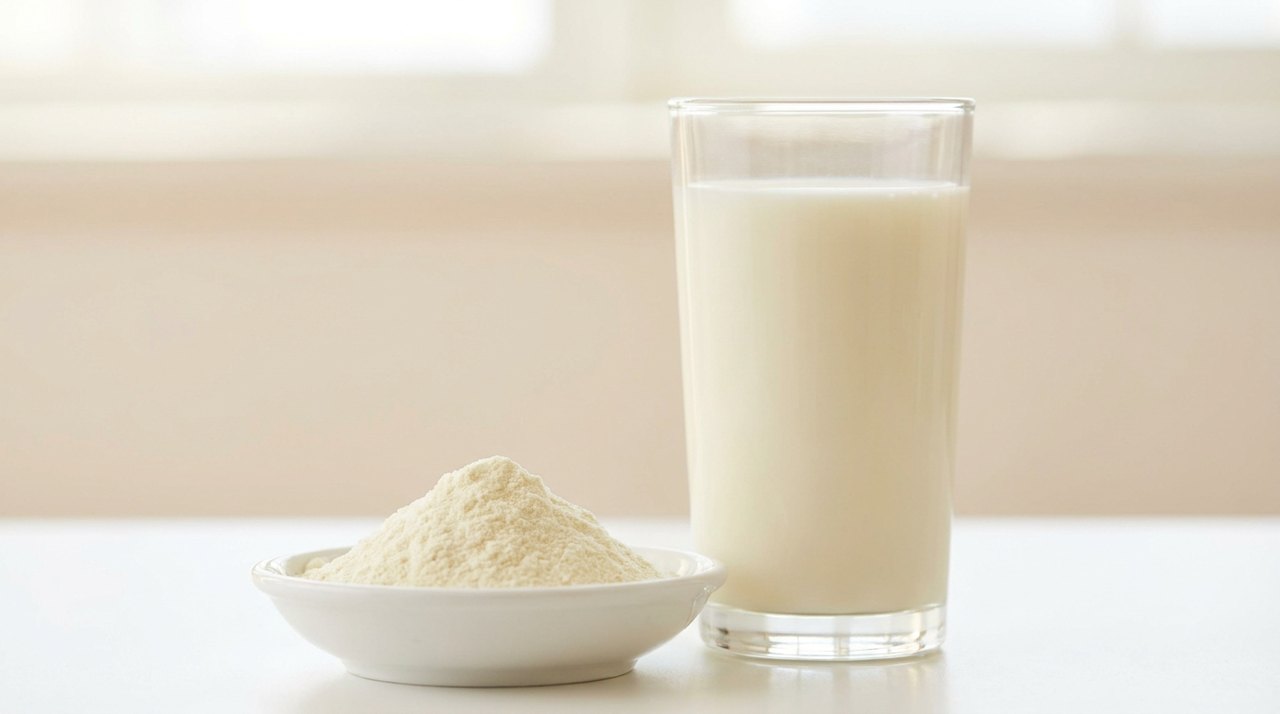
Colostrum is the thick, yellowish "first milk" that mammals — including cows and humans — produce in the first few days after giving birth. It's biologically different from the mature milk that follows, and that difference is the whole reason it ends up in a supplement jar.
The "first milk" idea
In the first 24–72 hours after birth, mammary glands produce colostrum before transitioning to regular (mature) milk. For a newborn, colostrum is less about calories and more about a concentrated delivery of antibodies, immune proteins, and growth factors that help kick-start the immune and digestive systems. Once that early window passes, the milk's composition shifts and the colostrum is gone.
Why bovine (cow) colostrum?
The colostrum sold as a supplement is almost always bovine — from cows. There are two practical reasons. First, dairy farming already produces colostrum at scale, and a cow makes far more than a single calf needs in those first days. Second, bovine colostrum is surprisingly rich in the same broad categories of bioactive compounds found in human colostrum, often at higher concentrations of certain immunoglobulins.
Responsible producers collect colostrum only after the calf has had its share, so the newborn isn't deprived. When you're shopping, sourcing like this is a reasonable thing to look for.
What's actually in it
Colostrum is a complex mix, but a few components get most of the attention:
- Immunoglobulins (IgG, IgA, IgM) — antibodies that are the headline ingredient. IgG is usually the most abundant, and many supplements advertise a guaranteed IgG percentage.
- Lactoferrin — an iron-binding protein studied for its role in immune and antimicrobial activity.
- Growth factors — such as IGF-1 and TGF-β, which play roles in tissue and gut-lining maintenance.
- Proline-rich polypeptides (PRPs) — small proteins involved in immune signaling.
- Other nutrients — proteins, some vitamins and minerals, and oligosaccharides.
How a supplement is made
After collection, liquid colostrum is typically pasteurized for safety and then dried into a powder — most often by spray-drying or freeze-drying — so it's shelf-stable. From there it's sold as loose powder or packed into capsules. Because heat can degrade delicate proteins and antibodies, lower-temperature processing is often promoted as a way to preserve more of the bioactive content. Many brands also defat the colostrum, which can change the texture and concentration of the final powder.
Now that you know what it is, the natural next questions are what it might do and how to choose a good one.