Colostrum Dosage & Safety
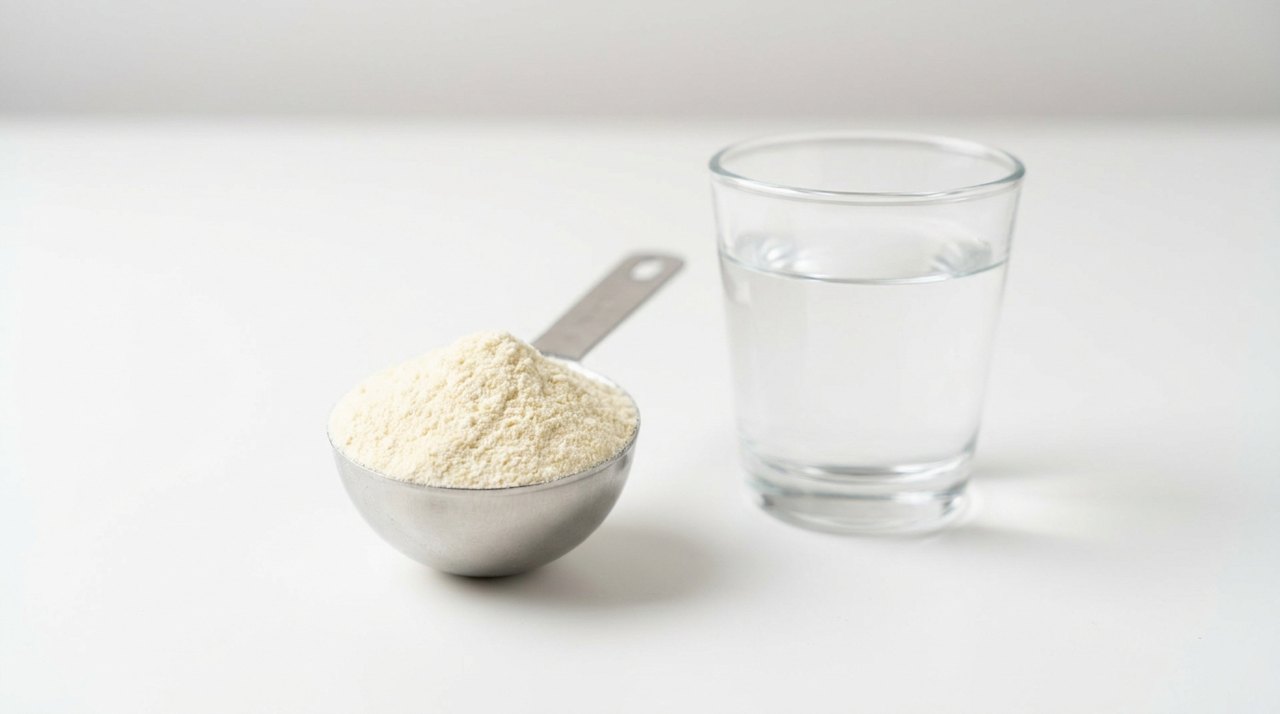
There's no official recommended dose for bovine colostrum. The ranges below reflect what's commonly used in studies and on product labels — but the right amount for you depends on the product and your goals, so follow the label and your provider's guidance.
Typical amounts
- General wellness: many labels suggest roughly 1–5 grams per day.
- Research on athletes: studies have often used higher amounts, in the range of about 10–20 grams per day.
A sensible approach is to start low, see how your body responds, and increase gradually if desired — without exceeding the label's directions. Some people take it on an empty stomach; others with food. Consistency over several weeks matters more than any single dose.
Possible side effects
Bovine colostrum is generally well tolerated. When side effects occur they're usually mild and digestive — gas, bloating, or loose stools — and often ease as your body adjusts or if you lower the dose.
Who should be cautious or avoid it
- Milk/dairy allergy: colostrum is dairy-derived and can trigger allergic reactions. Avoid it.
- Lactose intolerance: some products contain lactose; look for low-lactose options and start small.
- Pregnant or nursing: talk to your provider first.
- Children: only under pediatric guidance.
- Immune conditions or medications: if you have an autoimmune condition, are immunocompromised, or take prescription medication, check with your doctor before starting.
None of this is a substitute for professional advice. If you're unsure whether colostrum fits your situation, ask a qualified healthcare provider.